
5 min read
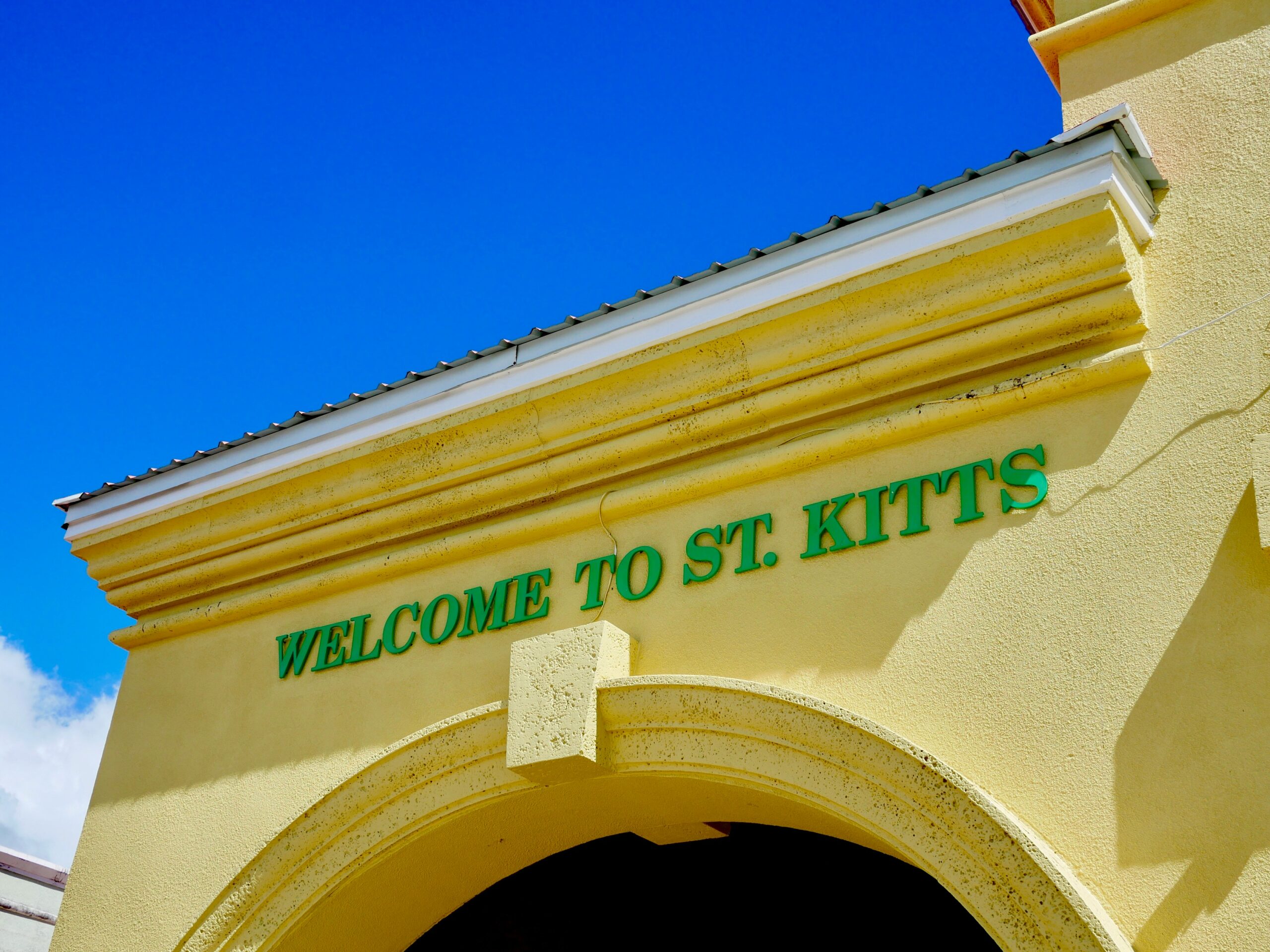
If you have been following global mobility news, you have likely heard reports that Caribbean citizenship by investment programmes are coming to an end. On 13 November 2026, Prime Minister Terrance Drew officially announced that St Kitts and Nevis—the nation that pioneered economic citizenship in 1984—will begin winding down its Citizenship by Investment (CBI) programme following negotiations with the European Union. For high-net-worth individuals, entrepreneurs, and families exploring second citizenship alongside broader Hong Kong and global immigration services, understanding what is closing, what remains open, and what comes next is critical.
Why is St Kitts and Nevis winding down its CBI programme?
The decision follows months of mounting regulatory pressure from Brussels and Washington. In June 2026, the European Commission sent formal notices to all five Caribbean nations operating CBI schemes, asking them to phase out the programmes by 1 June 2028 in exchange for preserving visa-free access to the European Schengen Area. Governments were given until 12 November 2026 to submit their formal positions ahead of the EU’s December visa suspension review.
Addressing the nation on 13 November, Prime Minister Drew explained that protecting international correspondent banking relationships, trade links, and visa-free travel outweighed the revenue generated by passport sales. As a result, St Kitts and Nevis confirmed it will responsibly wind down its CBI route over an agreed transition period.
Are all Caribbean CBI programmes closing immediately?
No. Despite dramatic headlines, none of the five Caribbean programmes have shut their doors overnight, and applications continue to be processed under existing rules:
- St Kitts and Nevis: The programme remains open and operational while the government finalises its phase-out timeline with the EU. Prime Minister Drew emphasised there will be “no rush, no discounts, and no fire sale,” meaning strict due diligence and current US$250,000+ thresholds still apply during the wind-down.
- Antigua and Barbuda: The government has proposed phasing out its programme by the end of 2030, conditional on financial and technical transition support from the EU—though Brussels has yet to formally accept a timeline beyond 2028.
- Grenada, Dominica, and St Lucia: All three countries remain open for applications and are continuing diplomatic talks with the EU, aiming to preserve both their programmes and Schengen access through stricter vetting and the newly established Eastern Caribbean Citizenship by Investment Regulatory Authority (ECCIRA).

What happens to existing Caribbean passport holders?
For investors who already hold citizenship from St Kitts and Nevis or another Caribbean nation, nothing changes:
- Citizenship is permanent: Lawfully acquired citizenship is protected by law and is not revoked when a programme closes.
- Visa-free travel remains intact: Because St Kitts and Nevis is cooperating with the EU’s phase-out framework, citizens retain their existing visa-free travel arrangements to the Schengen Area, the UK, and other partner jurisdictions.
What should prospective applicants do now?
The 2026 policy shift marks a historic turning point: the era of low-cost, remote second citizenship with automatic European access is narrowing rapidly. If you are considering a second passport or residency backup plan, keep three strategic points in mind:
- Expect stricter compliance and higher standards: Across the Caribbean and globally, due diligence checks, source-of-funds audits, and potential physical presence requirements are tightening.
- Do not delay if a Caribbean route fits your profile: With St Kitts and Nevis entering a confirmed phase-out and EU deadlines looming for 2028, the window to apply under established Caribbean frameworks is finite.
- Compare residency-by-investment alternatives: If visa-free European access or long-term relocation is your primary goal, European residency programmes (such as Greece or Portugal) or Asian business hubs like Hong Kong may offer stronger long-term certainty.
How Prism can help
Prism advises entrepreneurs, executives, and families on international mobility, second citizenship options, and business and residency pathways in Hong Kong. Rather than pushing one-size-fits-all programmes, our consultants assess your travel goals, tax residency, and family timeline against the latest regulatory shifts. To review your options before Caribbean phase-out deadlines take effect, book a private consultation with our team today.
Sources
- St Kitts & Nevis Information Service (SKNIS): Prime Minister Drew Addresses Transition of CBI Programme (sknis.gov.kn)
- European Commission: Visa Suspension Mechanism & Schengen Visa-Free Policy Updates
This article is for general information only and does not constitute legal, tax, or investment advice. Programme rules, timelines, and visa-free agreements are subject to government and international policy changes.