
If you’re freelancing, running your own consultancy, or building a client base that already spans several countries, you might be eligible for the UAE Green Visa for Freelancers.
The United Arab Emirates Green Visa is a five-year, self-sponsored residency permit that allows skilled professionals, freelancers, and investors to live and work in the UAE without needing a local employer or sponsor. It offers extended family sponsorship rights and greater stability than standard two-year work visas.
For freelancers and the self-employed in particular, this visa opportunity turns dreams of someday moving to the UAE into an actionable plan without waiting on a company to hire, transfer, or sponsor you first.
Why Run Your Business from the UAE? And from where in the UAE?
As a freelancer, you’re free to live anywhere in the UAE regardless of which free zone issued your permit. In practice, that means most people end up making two separate decisions: where they’ll live, and where they’ll license their business. Having these advantages greatly influence the decision-making of freelancers/investors.
Dubai and Abu Dhabi are surrounded by professionals who are normally hectic and business-oriented, and within Dubai, your budget and taste for city life versus quieter, residential streets will usually decide the neighbourhood. Sharjah, Ras Al Khaimah and Fujairah suit people chasing a lower cost of living, sometimes without giving up a Dubai address at all.
Dubai: Maximum Client Density and Networking
Dubai is the default choice if you want to be at the centre of things. Several free zone authorities issue freelance permits here, including TECOM’s GoFreelance programme (covering zones like Dubai Media City and Dubai Internet City), DMCC, Meydan and IFZA, each with its own approved activity list, pricing, and fit depending on what you actually do. Prism UAE helps freelancers figure out which of these matches their work before they pay for the wrong one.
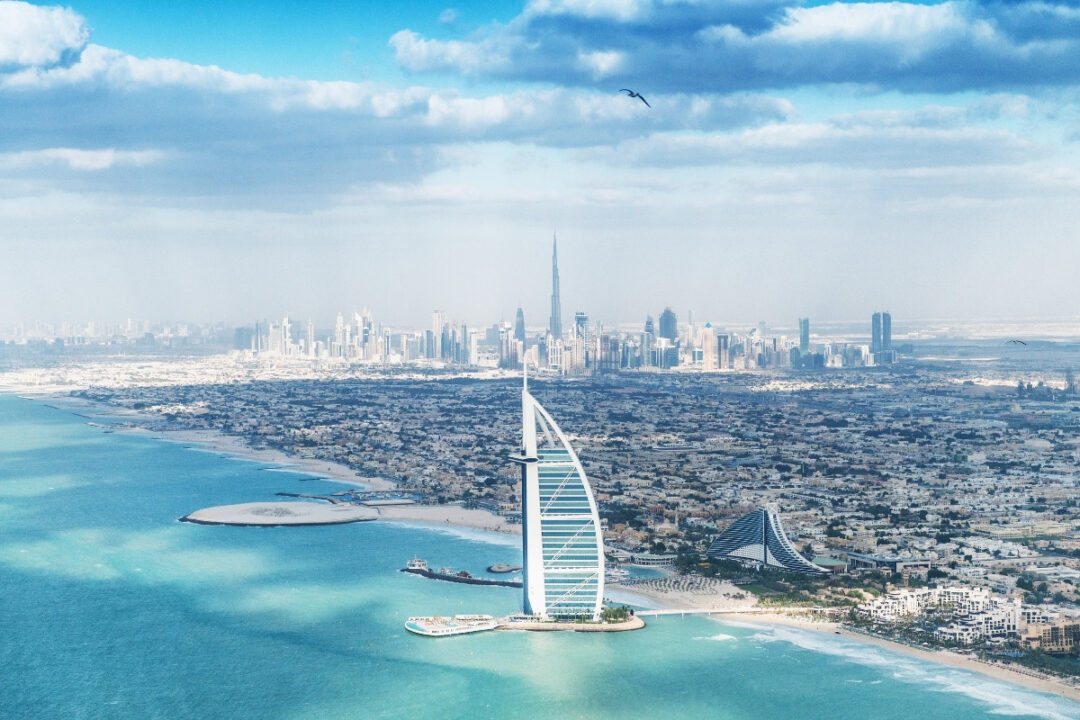
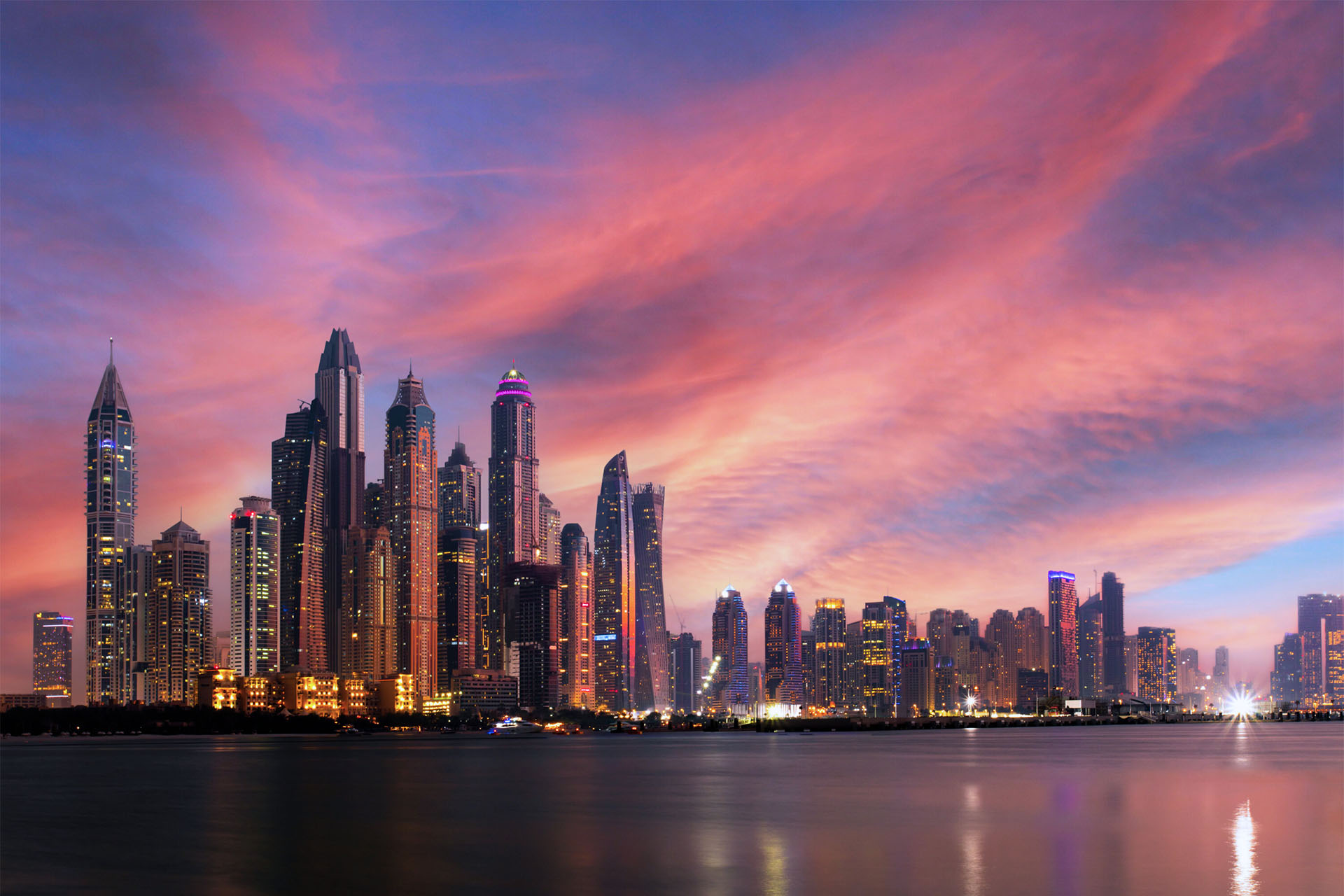
The client density and networking scene here are hard to match anywhere else in the UAE. Within Dubai itself, the choice usually comes down to lifestyle and budget. Dubai Marina suits people who want nightlife, beaches, and cafes for informal work sessions, while Business Bay offers a more central, premium base close to Downtown. Jumeirah Village Circle and Al Barsha are the value picks, with larger, more affordable apartments a bit further from the coast.
Abu Dhabi: Strongest Fit for Media and Government Work
More formal and a little quieter than Dubai, with twofour54 giving media and production freelancers a genuinely strong ecosystem and a route into government and corporate work. Areas like Masdar City and the district around Abu Dhabi Global Market suit freelancers in consulting, design, or tech who want modern, sustainable infrastructure. Whether twofour54 makes more sense for you than a Dubai-based zone usually comes down to the kind of clients you’re chasing, which is exactly the kind of call Prism UAE can help you make before you commit.
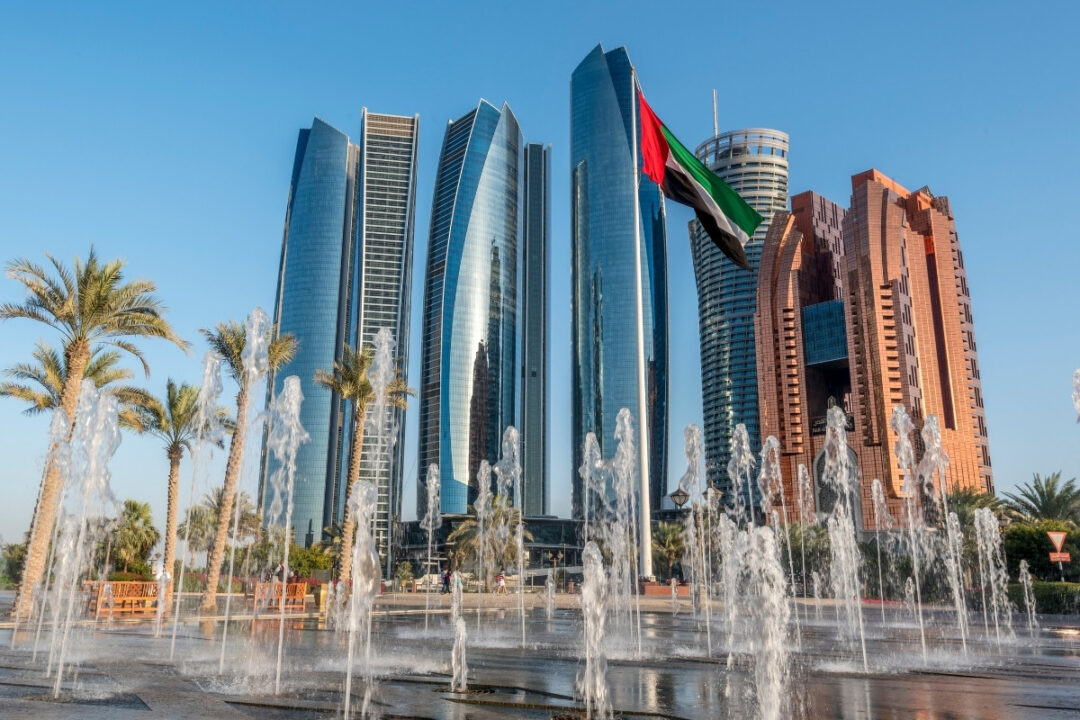
Sharjah: Cheaper Licensing, Still Minutes From Dubai
Twenty to thirty minutes from Dubai and considerably cheaper to live in, with its own freelance zone, Shams, built around media, consulting and creative work. Plenty of Shams freelancers actually live in Dubai and treat Sharjah purely as their licensing base. If a lower-cost license paired with a Dubai lifestyle sounds like the right balance, Prism UAE can walk you through what Shams actually covers before you sign up.
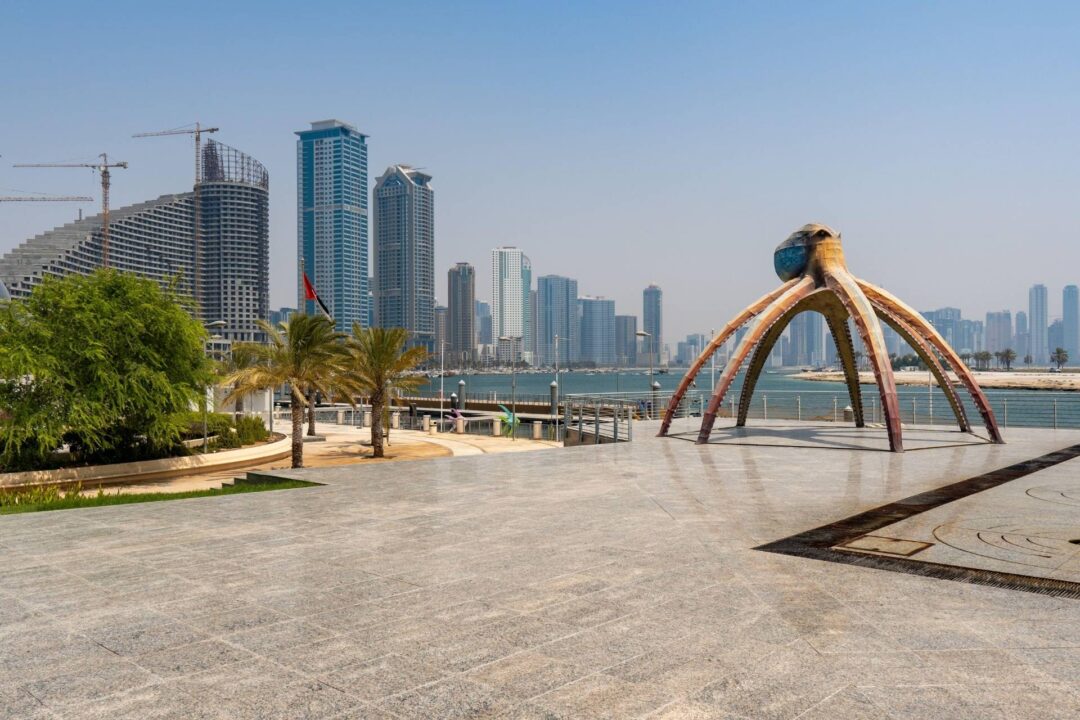
Ras Al Khaimah: The Most Affordable Freelance Permit
Mountains, beaches, and a slower pace, with RAKEZ offering some of the most affordable freelance permits in the country. Most RAKEZ freelancers live in Dubai or Sharjah too, and only travel up to RAK for occasional compliance visits. Prism UAE can confirm whether RAKEZ’s activity list actually covers what you do, since the savings only help if the license fits.
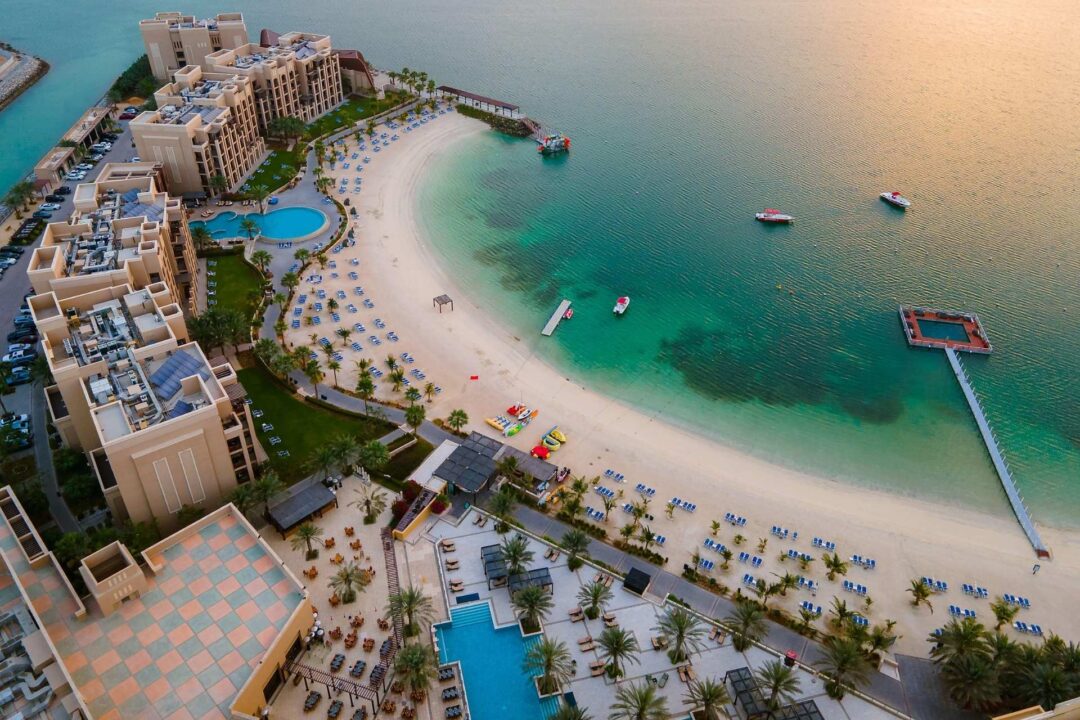
Fujairah: The Quietest, Lowest-Cost Base
The UAE’s only emirate on the east coast, with its own freelance zone, Fujairah Creative City. Small, low cost, and popular with consultants and creatives who want a genuinely quiet base. It’s a smaller zone with a narrower activity list than Dubai’s options, so it’s worth having Prism UAE check the fit before you choose it purely on price.
Who Qualifies for the UAE Green Visa as a Freelancer
The Federal Authority for Identity, Citizenship, Customs & Port Security (ICP) sets out three eligible categories under the UAE Green Visa: skilled employees, investors and business partners, and freelancers or self-employed professionals. If you’re running your own practice from wherever you are right now, that third category is built with you in mind.
For the freelance and self-employed route specifically, you need to meet all of the following:
- A freelance or self-employment permit issued by the Ministry of Human Resources & Emiratisation (MOHRE)
- A minimum qualification of a bachelor’s degree, a specialized diploma, or an equivalent
- Proof of stable annual income, or financial solvency for the duration of the residency
- Annual freelance income of at least AED 360,000 over the past two years, or the equivalent in another currency
AED 360,000 over two years works out to an average of AED 30,000 a month, or approximately USD 8,170 or EUR 7,175. ICP explicitly allows applicants to demonstrate financial solvency for those whose income doesn’t map neatly onto a steady monthly figure, which is common for freelancers with irregular project-based income or multiple income streams.
If you’ve been genuinely self-employed for a couple of years and earning a reasonable living, there’s a real chance you already qualify. When we at Prism support clients, we always do a screening to ensure you are a visa candidate before moving forward with the application process.
Green Visa vs Golden Visa vs Virtual Work Visa
Independent professionals planning a move to the UAE are often choosing between four different visa routes without realizing it, and it’s easy to default to the wrong one simply because it’s the one you’ve heard of.
Green Visa, freelance / self-employed route
- Who it’s for: freelancers and self-employed professionals with a MOHRE permit
- Core requirement: AED 360,000 income over the previous two years, or proof of financial solvency
- Validity: 5 years, renewable, self-sponsored
Green Visa, skilled employee route
- Who it’s for: employees on a UAE contract in MOHRE skill levels 1 to 3
- Core requirement: AED 15,000 or more in monthly salary, plus a bachelor’s degree
- Validity: 5 years, renewable, self-sponsored
Golden Visa, property route
- Who it’s for: investors able to commit significant capital
- Core requirement: AED 2,000,000 or more in UAE property
- Validity: 10 years, renewable
Virtual Work Visa
- Who it’s for: remote employees or business owners working for clients outside the UAE only
- Core requirement: USD 3,500 or more in monthly income from an overseas employer or business
- Validity: 1 year, renewable
The mix-up that happens most often, especially for people relocating while keeping some of their existing clients, is between the Green Visa and the Virtual Work Visa.
The Virtual Work Visa is built strictly for people working remotely for an employer or clients based outside the UAE, and it doesn’t allow you to invoice UAE-based clients at all. If part of your plan after moving is to build local UAE clients alongside the ones you already have, then choose the Green Visa’s freelance route, built around a MOHRE permit, which lets you do both.
Common Mistakes That Delay a Green Visa Application
Here are some common mistakes that can delay your application.
- Assuming a tourist visa is the way to test the waters first. It’s rarely necessary, and in many cases the freelance permit and Green Visa process can be started while you’re still abroad.
- Assuming the MOHRE freelance permit alone gets you the visa. The permit lets you legally freelance; the Green Visa is a separate, additional residency application built on top of it.
- Presenting inconsistent or fragmented income records.
- Submitting an unattested degree certificate. Educational qualifications issued outside the UAE generally need to be properly attested before they’re accepted.
- Applying under the wrong category. Confusing the freelance/self-employed route with the skilled-employee route (which requires an employment contract and a AED 15,000 monthly salary) leads to applications that don’t match the applicant’s actual circumstances.
If you allow Prism to help you out in the application process, we will make sure you don’t make any of these, or other more severe, mistakes.
Ready to Apply for the UAE Green Visa?
At Prism, we start by mapping out exactly which UAE route suits you best: the Green Visa, the Virtual Work Visa, or a standard freelance permit, based on how you actually earn rather than the one you happened to hear about first.
From there, we prepare the income documentation, the freelance permit application, and the supporting paperwork so it holds up the first time it’s submitted, then manage the approvals directly with MOHRE, GDRFA, or ICP on your behalf.
You’ll get regular updates the whole way through, so you’re never left wondering where things stand, and once you land, you’ve got local knowledge on your side for everything that comes next, from housing and school recommendations to the dozens of smaller decisions that come with actually building a life somewhere new.
Reach out to us to get you application process started.
Key Tax Considerations for Freelancers Moving to the UAE
What About Taxes? What Freelancers Need to Understand Before Moving
One of the most common things we hear from freelancers planning a move to the UAE is: “There’s no income tax, so I’m completely in the clear, right?”
Not exactly.
Yes, the UAE is incredibly attractive from a tax perspective; there’s no personal income tax on what you earn as an individual. But once you start operating properly as a freelancer here, especially under a UAE license, a few important thresholds come into play that many people don’t see coming.
Let’s start with Corporate Tax. If you’re running your freelance activity through a UAE license and your revenue starts to grow specifically beyond AED 1,000,000 annually, you may fall within the scope of UAE Corporate Tax at 9%. This is something we often must explain to clients who assumed freelance income would remain completely tax-free regardless of scale.
Then there’s VAT. Once your turnover crosses AED 375,000, VAT registration becomes mandatory. This applies even if you’re a solo consultant, designer, or service provider. We’ve seen freelancers ignore this early on, only to deal with penalties later, which is completely avoidable with the right setup from the beginning.
Another point that’s often overlooked is your situation back home. Moving to the UAE doesn’t automatically switch off your tax obligations elsewhere. If you still have clients, contracts, or ties in your home country, there can be reporting requirements or even tax exposure depending on how your work is structured. This is especially relevant for freelancers working across multiple jurisdictions.
And finally, the visa you choose actually matters more than people think. The Virtual Work Visa is generally suited for those who continue working purely with overseas clients, while the Green Visa gives you the flexibility to build a presence here in the UAE and work with local clients as well. Choosing the wrong route can create complications later on.
This is exactly why we don’t look at visas in isolation. At Prism, we always start with how you actually earn, where your clients are, how stable your income is, and where you want to take your business. From there, we structure things properly so you’re not just compliant but also set up in a way that makes sense long-term.