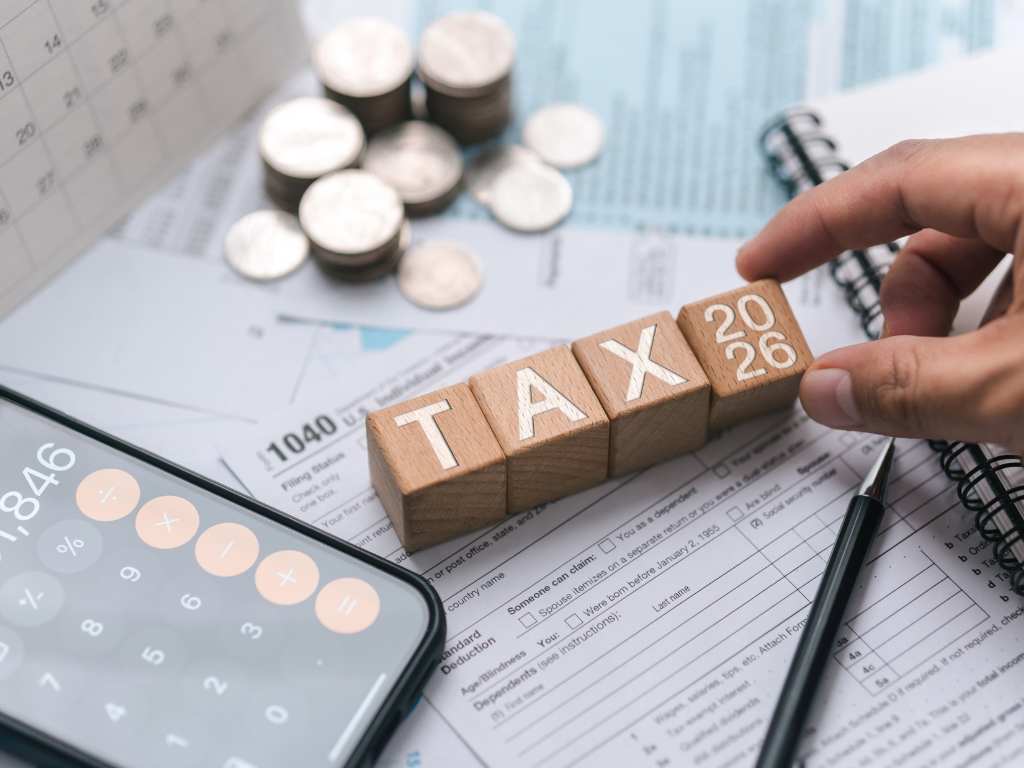

Tax obligations often create uncertainty for small business owners. This is especially true as rules and filing requirements change each year. This 2026 Tax FAQ answers the questions we hear most often from entrepreneurs, founders, and self-employed professionals.
Table of Contents
1. What tax forms do small businesses need to file?
It depends on your business structure.
• Sole proprietors and single-member LLCs file Form 1040 + Schedule C
• Partnerships and multi-member LLCs file Form 1065
• S corporations file Form 1120-S
• C corporations file Form 1120
The IRS determines your filing requirements based on how your business is organized.
2. Do I need to pay estimated taxes?
You may need to pay quarterly estimated taxes if you expect to owe a certain amount in taxes for the year after withholding and credits. Most self-employed individuals and business owners pay estimated taxes four times a year. This includes income tax and, if applicable, self-employment tax.
3. What records do I need to keep for tax purposes?
The IRS requires accurate records of income, expenses, payroll, and deductions. This includes receipts, invoices, bank statements, payroll reports, mileage logs, and any documents supporting your tax return. Keeping your books organized throughout the year makes filing significantly easier.
4. What expenses can small businesses deduct?
Common deductible expenses include office supplies, business software, insurance, advertising, equipment, subscriptions, travel, and professional services. Some businesses also qualify for a home office deduction. To claim deductions, documentation is required.
5. What happens if I miss a tax deadline?
Missing a deadline may lead to penalties and interest. If you fall behind, it’s best to file as soon as possible and avoid additional charges. A tax professional can help correct late filings and communicate with the IRS if needed.
6. What is the difference between an employee and a contractor for tax purposes?
Employees have taxes withheld from their wages. Contractors do not — they receive a gross payment and are responsible for their own taxes. The IRS has strict rules for classification, and misclassifying workers can lead to penalties, back taxes, and compliance issues.
7. Do I need to file state taxes as well as federal taxes?
Most businesses must file federal taxes and may also need to file state taxes depending on where they operate, have employees, or earn income. State rules vary, so it’s important to check your specific obligations.
8. Can Prism USA prepare both my personal and business taxes?
Yes. Prism USA prepares both individual and business returns, including Schedule C, partnerships, S corporations, and C corporations. This ensures your personal and business tax situations are aligned and optimized.
9. How early should I start preparing for tax season?
The best time is year-round. Keeping your bookkeeping up to date makes tax filing simple and prevents last-minute stress. At minimum, review your records quarterly and address any missing information before the end of the year.
10. When should I hire a tax professional?
You should consider professional help if you:
- Are unsure which forms you must file
- Have inconsistent or incomplete records
- Owe estimated taxes
- Employ workers
- Receive IRS notices
- Want to maximize deductions without risk
No matter if you run a sole proprietorship or a corporation, knowing your responsibilities early is important. A professional helps you avoid mistakes and keeps your business compliant.
How Prism can help with taxes in the USA
Prism USA offers accounting and tax services in Florida for individuals and small businesses. Our local team supports everything from day-to-day bookkeeping and payroll to annual tax filings, helping you keep your finances in order and meet all regulatory requirements without unnecessary complexity.